One Bunch, Two Rooms: A Sane Repurposing Timeline for Leicester Weddings

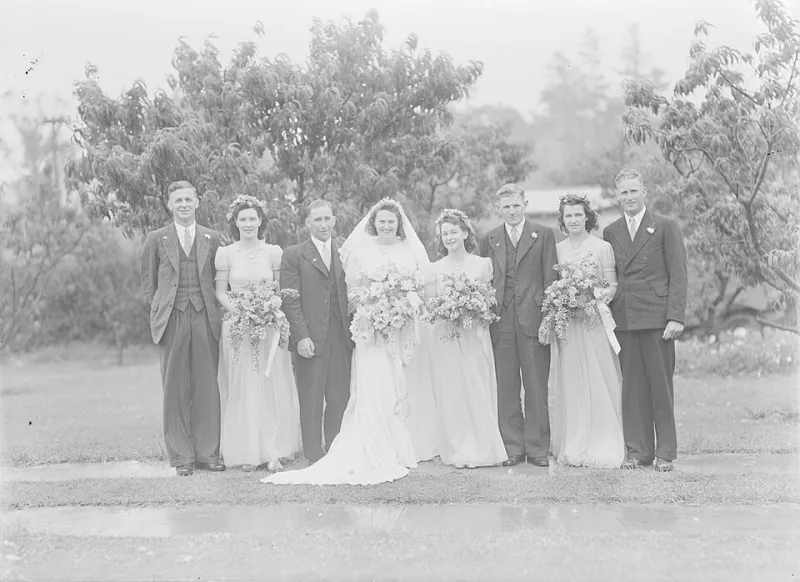
Photo: Walter Crane, Public domain, via Wikimedia Commons
There’s a moment in almost every wedding planning conversation when someone says, “And then we’ll just move the flowers to the reception.” It sounds so simple. In practice, that sentence hides a hundred small questions: Who carries what? When is the room actually free? Will the arrangements survive a car boot and a change of light? And why is Uncle Geoff holding a pedestal arrangement like it’s a sleeping baby?
Repurposing flowers is one of the smartest things you can do for your budget and for the planet. But it works best when you treat it as a proper part of the day rather than an afterthought. This is the calm, realistic version — written for Leicester couples juggling church halls, hotel suites, village halls and the occasional room flip.
First, decide what actually moves
Not every arrangement is a candidate for a second life. The best travellers are the ones with a bit of structure: low table bowls, clustered posies, sturdy bud vases, and anything that can be lifted without shedding petals like confetti. Large arch pieces and ceiling installations are usually better left where they are — or designed from the start so that sections can be detached and rehomed.
Before you finalise your flower order, walk through the day in your head. Which pieces will be seen during the ceremony? Which ones could plausibly reappear at the reception? If you’re using a church, check whether anything can stay behind for the Sunday service (many Leicester churches are delighted to keep flowers, but always ask first). If you’re in a hotel, ask whether the ceremony room needs to be cleared immediately or whether you have a grace period.
A useful rule: design about 60% of your flowers to be movable. The rest can be fixed, large, or simply too delicate to shift. That ratio keeps the repurposing job manageable without stripping the ceremony of impact.
The stems that survive a car boot (and the ones that don’t)
Some flowers are born for a second shift. British seasonal stalwarts like chrysanthemums, dahlias (in good condition), scabious, nigella, and most foliage-heavy arrangements handle a gentle move well. Roses are more forgiving than their reputation suggests, provided they’re conditioned properly and don’t get squashed. Dried elements — pampas, bunny tails, preserved grasses — are practically indestructible and brilliant for tables.
On the fragile end: delphiniums, sweet peas, and anything with a heavy bloom on a thin stem. These are ceremony flowers, not commuter flowers. If you love them, use them in places that won’t need to move — the altar, the entrance table, a windowsill.
Hydration is the quiet hero of the whole operation. Flowers that have been out of water for hours will sulk. Plan to top up vases before the move, or use floral foam or water-retaining sachets for arrangements that will be out of water for a while. In a Leicester winter, cold cars are your friend; in summer, keep arrangements out of direct sun and away from radiators.
Timings: build the move around the venue, not the other way round
This is where most repurposing plans fall apart. Couples often assume the room will be ready the moment the ceremony ends. It rarely is. Hotel staff need to clear chairs, village hall volunteers need to reset tables, and photographers may want ten minutes in the ceremony space for family shots.
Ask your venue two questions early: “When can we start moving things?” and “Is there a route we should use?” The answers will shape your timeline. If the reception room isn’t free until 3pm, don’t plan a 2pm flower move that will have everyone standing around with armfuls of dahlias.
A realistic Leicester timeline might look like this: ceremony ends at 2pm, guests move to drinks in a separate area or garden, and a small team starts moving flowers at 2:30pm once the venue gives the nod. By 3:15pm the tables are dressed and the team is back with a glass of something cold. Build in twice as much time as you think you need, and nominate one person to liaise with venue staff so you’re not chasing five different people for updates.
Briefing helpers without a group-chat meltdown
You do not need a crack team of florists. You need two or three calm people who can follow a simple plan. The mistake is sending a long WhatsApp message with photos and vague instructions like “just make it look nice.”
Instead, make a one-page move plan. List each arrangement, where it starts, where it ends up, and any special instructions (e.g. “top up with water,” “keep out of direct sun,” “do not put this one near the cake”). Add a simple sketch of the reception tables if it helps. Print two copies: one for the helpers, one for the venue coordinator.
Brief your helpers in person the day before or the morning of the wedding. Walk them through the route, show them where the spare vases and water are kept, and give them permission to make judgement calls. If a stem snaps or a vase looks lopsided, they should feel able to improvise rather than hunt you down mid-canapé.
And here’s a radical suggestion: don’t be one of the helpers. You’ll be busy. Let someone else carry the flowers while you enjoy the fact that you’re married.
The room flip: when it’s one venue, two lives
Single-venue weddings are increasingly popular in Leicester — a ceremony room that becomes a dining room, or a marquee that shifts from vows to party. The upside is no transport. The downside is that everything has to happen in a narrow window, often while guests are being corralled into a drinks reception.
In this scenario, less is more. Choose arrangements that can be moved by one person in one trip: low bowls, clustered jars on trays, bud vases that fit into a crate. Avoid anything that requires dismantling. And talk to your venue about a “flip plan” well in advance — good venues do this every week and will have a system. Your job is to fit your flowers into their choreography, not the other way around.
A short checklist you can screenshot
- Decide which arrangements move and which stay put — aim for 60% movable.
- Confirm venue timings and access routes in writing.
- Choose sturdy, seasonal stems for anything that travels.
- Pack a move kit: spare vases, water bottles, secateurs, cloths, a crate or tray.
- Write a one-page plan with a simple table map.
- Brief two or three helpers in person, not by text.
- Nominate one venue liaison so information flows one way.
- Build in a buffer of at least 30 minutes.
The calm version of the plan
Repurposing flowers isn’t about squeezing every last stem into a second job. It’s about being deliberate. Some flowers will have a quiet second life on the top table; others will stay exactly where they were and look beautiful in the photographs. Both are fine. The point is to decide in advance, brief clearly, and leave enough slack in the day for real life to happen.
Get that right and the mid-wedding shuffle becomes less of a scramble and more of a small, satisfying bit of teamwork. And Uncle Geoff can go back to enjoying the canapés.