Breathing Easy at the Altar: Allergy-Conscious Wedding Flowers in Leicester
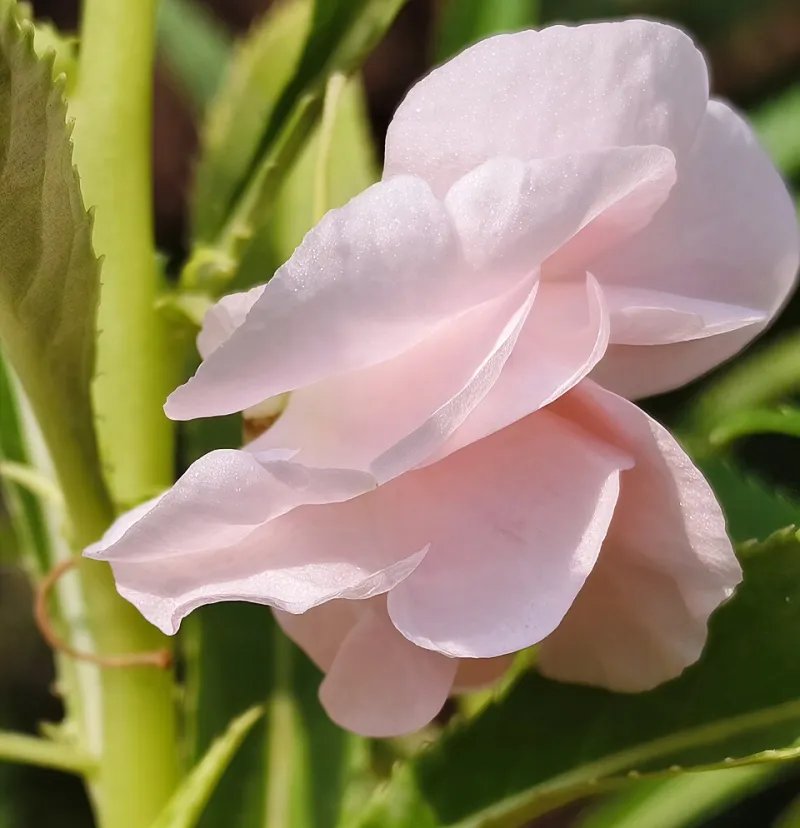
Photo: Aliva Sahoo, CC BY 4.0, via Wikimedia Commons
Let’s start with the bit nobody expects to hear between cake tastings: your wedding flowers probably aren’t the main cause of your hay fever. In the UK, most spring and summer sneezing comes from grass, tree and weed pollen drifting on the wind. Showy wedding blooms are usually insect-pollinated, with heavy, sticky pollen designed to hitch a lift on a bee rather than shoot up your nose. That is genuinely good news. But it doesn’t mean every arrangement is automatically comfortable for a sneezy bride, groom or guest. Strong scent, loose pollen and a warm room can all turn a beautiful bouquet into a tissue-dampener. So if you’re planning a Leicester wedding in 2026 and someone close to you is prone to pollen trouble, a little thought goes a long way.
Why flowers get blamed, and when they deserve it
Hay fever is often worst around grass pollen peaks in late spring and early summer, especially in green spaces such as Abbey Park, Victoria Park and the edges of Bradgate Park. A wedding in a marquee beside a meadow, or a church with the doors flung open onto a windy churchyard, can feel sniffly before the flowers even arrive. Indoor venues are generally kinder, but only if the flowers are clean, well-conditioned and not packed with scent. The real flashpoints are open-centred blooms with visible pollen, heavily perfumed stems and anything that has been sitting in a hot car. A florist who conditions flowers properly and delivers close to the ceremony is doing more for your nose than a whole box of antihistamines.
The usual suspects
Some flowers have a reputation for setting people off. Lilies are the classic example, largely because of those prominent anthers covered in loose pollen. If you love the look, ask your florist to remove the anthers before the flowers leave the workroom. Freesias, hyacinths, stock and sweet peas can be heavy on scent rather than pollen, which is a different problem but just as real for a sensitive guest. Open daisy-type flowers, chrysanthemums and sunflowers can also release pollen readily. Baby’s breath is a marmite one: some people find it innocuous, but its clouds of tiny flowers can trap dust and still carry a faint scent. Dried grasses and pampas are lovely in photos but can be dusty, so worth a mention if allergies are severe.
Low-pollen looks that still feel generous
You do not have to settle for a few sad carnations. Double-flowered roses, peonies, hydrangeas, tulips, ranunculus and orchids all bring plenty of presence with less loose pollen. Dahlias can work beautifully too, especially the tighter, more formal varieties. For greenery, eucalyptus, olive, ferns and ivy are useful, though rosemary is best kept away from the most sensitive noses because of its strong oils. The trick is to build texture and colour rather than relying on one heavily scented stem. A bouquet of garden roses, soft peonies and muted eucalyptus can look every bit as romantic as a lily-heavy arrangement, and it is far less likely to make your chief bridesmaid spend the vows sniffing into her sleeve.
Timing, venue and the Leicester forecast
Leicester weather loves a curveball, but pollen timing is fairly predictable. Tree pollen tends to peak earlier in the year, grass pollen often dominates from May to July, and weed pollen can linger into late summer. If you’re marrying in June, an indoor ceremony with the windows closed and the air conditioning on is a kinder choice for sensitive guests than a windy outdoor service. If you’re set on an outdoor ceremony, ask your florist to deliver bouquets and buttonholes as close to the start as possible, and keep them out of direct sun. Venues with cool rooms or a proper flower fridge are worth their weight in gold. Also ask whether arrangements can be moved away from the top table during the meal, so nobody is eating their soup beside a scented centrepiece.
Buttonholes, bouquets and tables
Buttonholes are small but they sit right under the nose, so choose buds rather than open blooms. A tight rose bud, a small ranunculus or a little olive sprig is a sensible choice. Ask your florist to wire and tape stems neatly so pollen doesn’t transfer to a jacket. For bouquets, keep the heads slightly away from the face and avoid carrying a heavily scented mix for hours. Centrepieces can be low and lush rather than tall and overpowering; a shallow bowl of roses and hydrangea is easier on the eyes and the airways than a towering lily arrangement. If you want scent, use it sparingly and keep it away from the seats of anyone who suffers.
Your ask-your-florist checklist
- Which stems in this plan are highest in pollen or strongest in scent?
- Can you remove the anthers from lilies and similar flowers?
- Can we lean on double roses, peonies, hydrangeas, ranunculus or orchids instead?
- Can you make a small sample buttonhole for the sneeziest person to test?
- Will you deliver and set up close to the ceremony rather than hours before?
- Can the flowers be kept cool and away from direct sun before the service?
- Are any dried grasses or dusty elements included, and can we swap them out?
- Can you avoid heavily perfumed stems near the top table and in buttonholes?
If someone has a serious allergy, it is always worth a chat with their GP or an allergist rather than relying on a florist’s guesswork. But for ordinary hay fever and scent sensitivity, a few practical swaps can make a real difference. The aim isn’t a sterile wedding; it’s a comfortable one. You can still have colour, texture and a bit of romance. You just want your guests remembering the vows, not the tissue count.