What Stays In Past the Confetti: Hair Flowers for a Long Leicester Wedding Day
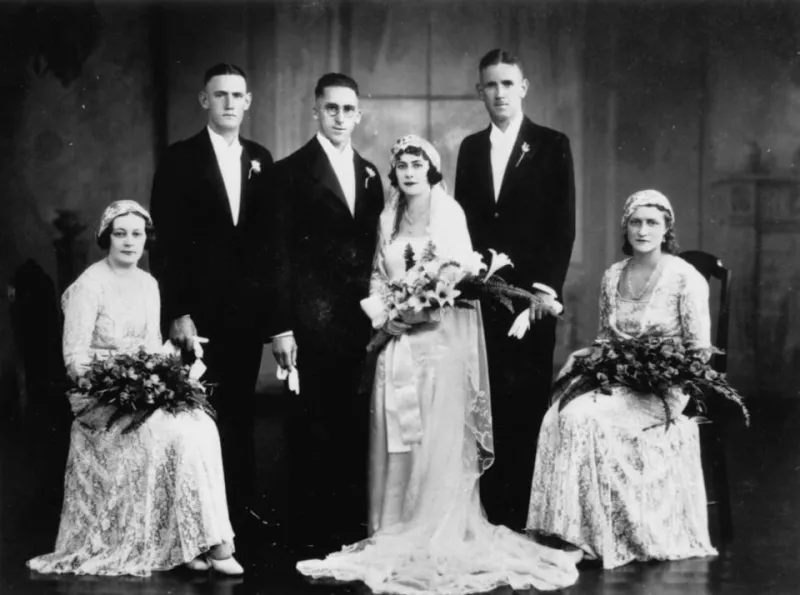
Photo: Unknown, Public domain, via Wikimedia Commons
Hair flowers are the quiet overachievers of a wedding flower order. They sit in every close-up, every hug and every confetti shot, yet they are often chosen from a mood board rather than tested against the realities of fine hair, a windy churchyard and a day that starts at 9am and ends with dancing. In Leicester, where a church porch can funnel a gust and a courtyard can hold the heat, the difference between a floral headpiece that behaves and one that droops by the first hymn comes down to a few practical decisions made weeks earlier.
Start With the Hair, Not the Flower
Before you fall for a full rose crown, think about the hair it will sit in. Fine, freshly washed hair is slippery. Curls can collapse under weight. A sleek low bun gives a comb very little to grip. If your hair appointment is the morning of the wedding, ask your stylist to leave a little texture at the crown, or plan to add a hidden pin base. A quick test at home with a few stems from the garden or a cheap artificial bunch will tell you more than any photograph. Walk around, turn your head, hug someone, sit in a car. If it shifts now, it will shift on the day.
The Weight Rule Nobody Mentions
Fresh flowers carry water, and water is heavy. A dense crown of garden roses or hydrangea can feel fine for ten minutes and then become a headache by the speeches. Smaller blooms are not a compromise; they are usually the better design choice. Spray roses, asters, scabiosa, nigella, waxflower, chamomile, solidago and lavender all give you movement and detail without a brick on your head. Greenery matters too: pistachio, asparagus fern and eucalyptus are lighter than thick ivy or laurel. If you love a large bloom, ask for it to be wired and used sparingly, perhaps as a single focal point at the side of a comb rather than repeated across a crown.
Pinning Methods That Actually Work
A comb with proper teeth, not a decorative clip, is the starting point for most bridal hair flowers. Two fine hair pins crossed over the comb will hold it far more securely than one pin pushed straight in. For fine hair, a small backcombed section at the anchor point gives the pins something to bite. Crowns need a different approach: a full circle can slide backwards, so many florists now make a half-crown or a flexible band that follows the head rather than sitting on top of it. Bridesmaids usually do best with a small comb or a cluster of two or three pinned stems. Flower girls should avoid loose pins entirely; a soft elastic band or a secure clip is kinder and safer for running about in a Leicester churchyard.
Petal Size, Scent and Comfort
Large petals bruise easily and show every mark. Small, clustered flowers travel better and recover faster if they are knocked. Scent is another practical consideration, especially when flowers sit close to the face. Lavender, rosemary and scented geranium are lovely in small doses; lilies and hyacinths can be overpowering in a warm church. If you are allergy-prone or prone to headaches, keep scented stems for the bouquet rather than the hair. And if you plan to wear a veil, check the hair flowers and the veil together before the day. A comb that sits comfortably on its own can become a tug-of-war when a veil is added on top.
Wind, Porch and Courtyard
Leicester's weather is rarely dramatic, but it is often breezy. Church porches, open courtyards and marquee entrances all create little wind tunnels. Loose tendrils and long trailing ribbons are the first things to flap. Tightly wired clusters, short stems and well-secured combs are your friends. If your ceremony is in a village church with a long path, do a practice walk with the headpiece in. For the photo session, keep a small kit with spare pins, a couple of replacement stems and a water vial for any flowers that are wired separately. Avoid spraying hairspray directly onto fresh flowers; it dulls petals and can shorten their life.
Making It Relate to the Bouquet and Buttonhole
Hair flowers should feel like a sentence from the same story, not a separate paragraph. Echo one or two ingredients from the bouquet rather than repeating the whole thing. If the bouquet is loose and garden-like, a small, slightly wild comb works better than a tight formal crown. If the bouquet is structured, a neat cluster of the same blooms keeps the look coherent. Buttonholes can share a single ingredient, such as a sprig of rosemary or a small spray rose, without looking matching. This is especially useful for family members who want a subtle connection to the wedding flowers without wearing a full corsage.
A Practical Ordering Checklist
- Ask your florist to wire and tape hair flowers properly, and to label each piece with the person's name.
- Order a few extra stems in the same ingredients for last-minute repairs.
- Collect hair flowers as late as possible on the morning, and keep them cool and out of direct sun.
- Bring the kit: spare pins, a small water vial, tissues and a soft cloth for any water marks.
- Tell your stylist what is coming, and ask them to build the style around the anchor point.
- Decide early whether the headpiece stays for the evening. If it comes out, have a small bag or box ready so it does not get crushed.
Hair flowers are not the place for a bold experiment on the morning of the wedding. They are the place for a small, well-tested arrangement that lets you forget about your head and get on with the day. Get the weight, the anchor and the weather right, and the flowers will do the rest.