Friday Buckets, Monday Brunch: Keeping Leicester Wedding Flowers Fresh Across a Three-Day Weekend

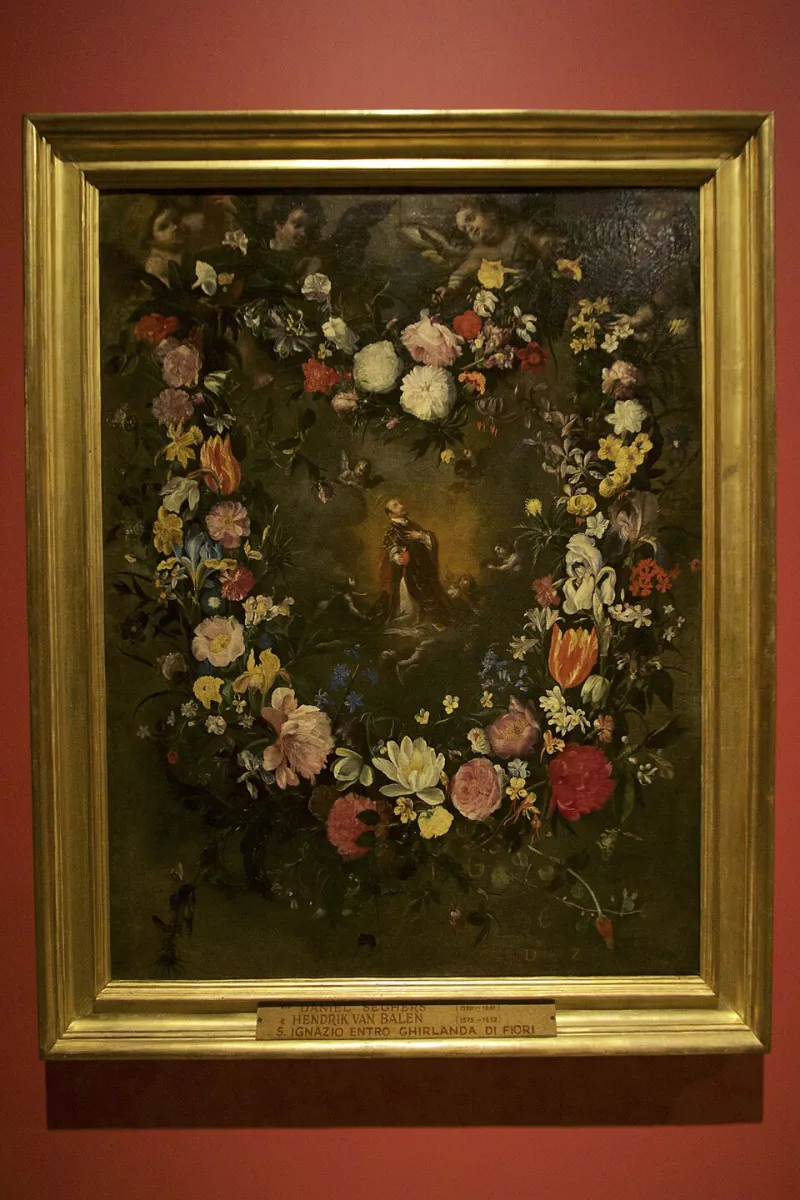
Photo: Holger Motzkau, CC BY-SA 3.0, via Wikimedia Commons
A Sunday wedding has a lot going for it: calmer suppliers, cheaper venue hire, and a guest list that can travel without taking a Friday off. A bank holiday weekend doubles the appeal. But flowers do not read the calendar. They respond to water, temperature and how many times they get moved from one table to another. If your celebration stretches from a Friday setup to a Monday morning brunch, the flower plan needs to stretch too.
This is not really an article about which flowers are prettiest. It is about which ones are still earning their place by Sunday lunchtime, and what you need to do between events to keep them looking intentional rather than tired.
Start with a bloom audit, not a mood board
Most couples choose flowers by colour and shape first, which is fair enough. For a long weekend, though, add a third column: staying power. Some stems are genuinely relaxed about a few days in a bucket. Others throw in the towel the moment the room warms up.
Broadly reliable over three days: carnations, chrysanthemums, alstroemeria, orchids, eryngium, solidago, hypericum berries, statice, limonium, and most foliage such as eucalyptus, ruscus and olive. Roses are usually fine if they are bought at the right stage and conditioned properly, though garden roses with soft, many-petalled heads are more fragile than a classic structured bloom.
More temperamental: peonies, sweet peas, ranunculus, anemones, dahlias and tulips. That does not mean you cannot use them. It means they should be scheduled for the part of the weekend where they will be seen at their best — the ceremony, perhaps, or the Saturday dinner — rather than asked to survive three days of handling.
A simple approach is to build your arrangements around a hardy base and treat the delicate stems as a top layer that can be swapped out. Foliage and berries hold the shape; the soft, scented, petal-heavy blooms provide the moment.
Stagger the delivery, even if the venue wants it all at once
Long weekends often come with venue access quirks. A village hall in Kibworth might give you Friday afternoon only. A hotel on New Walk might insist on a Sunday morning set-up. Neither is unreasonable, but they pull in different directions.
If you are conditioning flowers yourself, aim to have hardy stems delivered at least 24 hours before they are needed. That gives them time to drink after their journey. Bouquets and buttonholes are better made closer to the ceremony — Friday evening or Saturday morning for a Sunday wedding — because every day assembled is a day the stems cannot be re-cut freely.
For bank holiday Mondays, check courier schedules early. Some routes run reduced services, and a florist who would normally deliver on a Monday morning may not be able to. Ordering a day or two earlier is usually cheaper than paying for a panic replacement.
Conditioning that actually buys you a day
There is no magic trick here, just a handful of habits that make a real difference.
- Strip every leaf that would sit below the waterline. Leaves in water rot and turn a bucket sour within a day.
- Cut stems at an angle with sharp snips, not scissors, and do it immediately before plunging them into water.
- Use clean buckets. A quick scrub with hot water and a drop of bleach, then a thorough rinse, is worth the effort.
- Mix flower food properly. If you are using buckets, do not overfill them so tightly that stems crush each other.
- Keep buckets out of direct sun and away from radiators, kitchens and exhaust fumes.
- Let stems drink for at least six hours, ideally overnight, in a cool room before arranging.
One more thing: keep flowers away from fruit bowls. Ripening fruit gives off ethylene, which encourages petals to drop and leaves to yellow. A well-meaning bowl of apples beside the top table is not doing your centrepieces any favours.
The cool storage question
Most Leicester venues do not have a florist's fridge, and a domestic fridge is usually too cold and too full of other things. Ask the venue directly whether there is a cool room, a cellar, an air-conditioned function space or a quiet corner that stays consistently around 15–16°C. A north-facing room with the blinds down is often better than a warm office.
If you are storing bouquets overnight, stand them in a bucket with a few centimetres of water, loosely covered with a clean bin bag or sheet to slow moisture loss. Do not seal them tightly — you want airflow, not a sauna.
Centrepieces in wet foam can be misted and kept in a cool room, but check them in the morning. Foam that has dried out at the edges will not rehydrate evenly, so top it up carefully or keep a spray bottle handy.
Handovers: write it down
Long weekends fail on small communication gaps, not big disasters. Someone needs to know which buckets are for the church, which are for the reception, and which are for the brunch table on Monday. Make a one-page schedule and label the buckets with masking tape.
Include the following:
- Who receives the delivery and where it goes.
- Who tops up water on Friday night and Saturday morning.
- Who moves ceremony flowers to the reception, and at what time.
- Who takes bouquets home or to a rehoming contact.
- Who has the flower first-aid kit: snips, twine, spare stems, water jug, paper towels and a bin bag.
The second-day refresh
By Sunday morning, even hardy flowers will have a few bruised petals and drooping leaves. A ten-minute refresh is usually enough: re-cut stems, change the water, remove anything tired, and move arrangements out of direct light. If a centrepiece is looking thin, split it into two smaller vases rather than trying to plump it back up.
For a Monday brunch, do not aim to recreate Saturday's arrangements. Use what is still strong — foliage, berries, chrysanthemums — in simpler jam jars or small vases. A relaxed, slightly reduced look reads as deliberate. A tired replica of the wedding table does not.
Freshness across a long weekend is mostly a logistics story: good conditioning, sensible timing, cool storage and a clear handover plan. Get those right and your flowers will still look like they belong there when the last guest leaves on Monday.