Seed, Sweat and Stamens: A Realistic Leicester Guide to Growing Your Own Wedding Flowers
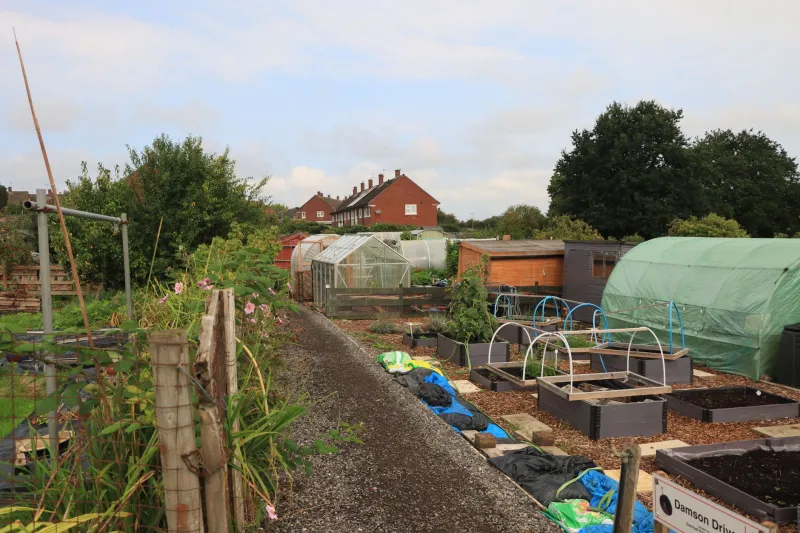
Growing your own wedding flowers sounds like the plot of a very good Sunday supplement: a sunlit allotment, a wicker trug, a couple who clearly have excellent hair. The reality involves clay soil, a late frost and a slug called Kevin who has taken a personal interest in your dahlias. At Leicester Wedding Flowers, we are all for homegrown stems. We just think the idea works better when you go in with your eyes open, a sensible plan and a florist on standby.
This is not a guide to growing every single flower for a 120-guest wedding on a quarter of a plot. It is a guide to growing a meaningful slice of your flowers, knowing where the risks are, and making the result look deliberate rather than allotment-chic.
Do the table maths before you buy seeds
Seed catalogues are dangerously good at selling possibility. A packet of cosmos can feel like a whole wedding. In practice, you need to work backwards from the tables.
A jam-jar posy usually holds 10 to 12 stems. If you have 70 guests at seven tables and you want three jars per table, that is roughly 210 to 250 stems before you have done the top table, the card table, the bar, the loos or the entrance. A healthy annual plant might give you 8 to 15 usable stems across the season, depending on variety and weather. That sounds generous until you factor in gaps, slugs, holidays, heatwaves and the fact that not every stem will be wedding-grade on the same weekend.
As a rough starting point, allow three to four vigorous annual plants per table, or one established perennial clump per table, plus foliage. Then add 30 per cent contingency. For six to eight tables, 30 to 50 healthy annual plants plus a few perennials and foliage shrubs can make a decent show. If you want every table to look identical, double it. Do not grow 20 varieties in your first year. Choose three to five reliable crops and repeat them.
What actually thrives in a Leicestershire plot
Leicester gives you a useful but not always gentle growing climate: heavy clay in many gardens, wind across open plots, late frosts and summers that can swing from soggy to scorching. The good news is that lots of wedding-friendly flowers are quite tough.
Hardy annuals are your dependable base. Cornflower, calendula, nigella, sweet peas, ammi, bupleurum and clary sage will all earn their space. Perennials such as achillea, echinops, rudbeckia, helenium, sedum, alchemilla and lavender give you texture and return year after year. Tender annuals and dahlias bring the showy stuff, but they need frost-free starts and more fussing.
If your soil is heavy clay, improve it with compost and grit, or grow in raised beds and big pots. Slugs adore dahlias, zinnias and young seedlings, so plan your defences before you plant. A north-facing plot is not a disaster; lean into foliage, ferns and shade-tolerant perennials, and buy your focal flowers in.
A realistic sowing timeline from January to August
Late January and February: order seeds, sort your beds and sow sweet peas under cover. This is also the moment to decide whether your wedding is early, middle or late in the season. A June wedding needs a different plan from a September one.
March: sow hardy annuals under cover. Keep them cool and bright rather than cosy and leggy. April: prick out seedlings, start hardening them off and direct sow hardy annuals once the soil has warmed. Around Leicester, do not trust the last frost until mid-May. May: plant out hardened hardy annuals, direct sow tender crops under protection, and keep fleece handy. June: plant out dahlias and other tender plants once frost risk has passed, pinch out annuals to encourage branching, and stake anything tall. July: water, deadhead, cut stems for practice and sow a few quick annuals for late colour. August: harvest for the wedding, condition stems and keep everything cool.
If your wedding is in early June, spring-sown annuals will not be at peak. You need biennials sown the previous summer, overwintered hardy annuals or a florist-led plan. This is the bit most guides skip.
Slug patrol and other unromantic truths
You will spend more time than you expect on slug patrol. Go out in the evening with a torch, use beer traps, copper tape or nematodes, and keep young plants protected. Avoid slug pellets if pets or wildlife are around. Stake your flowers before they flop, water deeply rather than little and often, and accept that wind and rain will bruise stems.
Weather risk is real. A hot week can bring everything on at once; a wet week can turn petals to mush. Cut flowers two or three days before the wedding, not on the morning, and condition them in cool water. Have a backup plan: a local market, a florist, a neighbour with a generous garden. Homegrown flowers are personal, but they are not a reason to gamble the whole scheme.
The florist gap-fill that makes it look intentional
The most sensible approach for most couples is a hybrid. Grow your table flowers, foliage and a few statement stems, then ask a florist to handle the bridal bouquet, buttonholes and any focal flowers. Or flip it: let the florist provide the focal blooms and you provide the filler and foliage.
Give your florist a clear colour palette, a few photos and an honest list of what you will have. Do not ask them to replicate your Pinterest board exactly; ask them to make your homegrown stems look like a scheme. Repeat colours, use the same vessels, and let one or two flowers do the heavy lifting. A good florist can make 100 homegrown stems look considered rather than chaotic.
A small, sensible first plot
If you are new to this, pick three crops: cornflower, calendula and sweet peas. Add one foliage plant. Grow 20 plants well rather than 200 badly. Keep notes, ask allotment neighbours for advice, and accept that the first year is a learning year. Homegrown flowers are not automatically cheaper once you count your time, but they are yours. And if the slugs win, you will still have a good story and a florist on speed dial.