The Invisible Half of the Quote: Mechanics, Ribbon and Labour in a Leicester Wedding Flower Budget

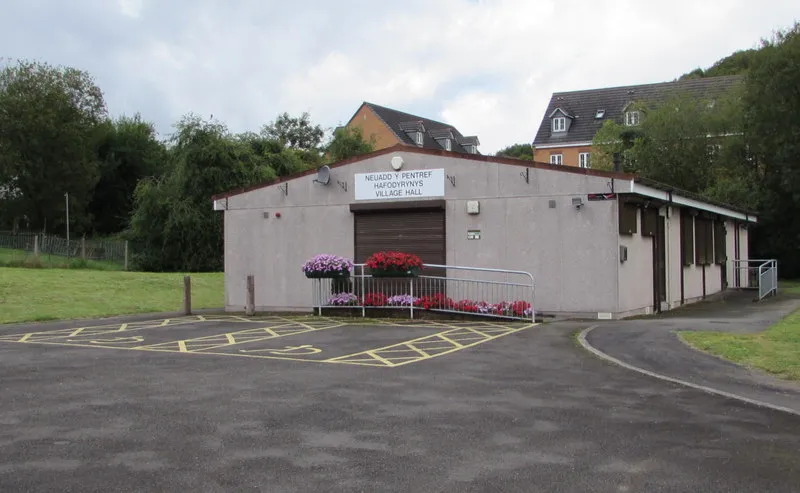
Photo: Rob Farrow , CC BY-SA 2.0, via Wikimedia Commons
Most couples start a flower budget the same way: count the bouquets, count the table centres, multiply by a number that feels roughly right, then get a surprise. The surprise is rarely the flowers themselves. It is everything holding the flowers up, wrapping them, moving them and making sure they are still standing when the guests arrive.
In 2026, with venue hire and catering taking bigger bites of the average Leicester wedding budget, the non-floral side of floristry deserves a proper look. Not because florists are hiding things, but because ribbon, wire, vessels, delivery and installation are real costs that do not photograph as nicely as a ranunculus. Here is what those lines actually do, and where a Leicester couple can sensibly save or spend.
The quiet line items: what actually arrives in the van
When you look at a florist's quote, the flower varieties get all the attention. The supporting cast is often a single line marked 'mechanics and sundries' or folded into the overall price. That line covers the unglamorous things: ribbon, bind wire, stem tape, pin holders, chicken wire, floral putty, aqua packs, candle cups, dish hire, and the boxes that keep everything upright on the M1.
Individually, most of these are cheap. Collectively, they can add 10 to 20 per cent to the floral bill. And they are not optional. A hand-tied bouquet without ribbon is just a bunch. A table centre without a vessel is a pile of stems on a cloth. The trick is knowing which sundries are doing real work and which are just nice-to-haves.
Ribbon: the bit everyone notices and nobody budgets for
Ribbon is the classic hidden cost. A bouquet wrap can easily use two metres. Chair backs, stair rails, table runners and welcome signs can eat through a whole reel before you have blinked. And the price range is enormous: a polyester satin at £2 a metre looks fine in a photo and slightly shiny in real life, while a hand-dyed silk velvet at £12 to £15 a metre feels like a completely different wedding.
Where to save: use the good ribbon where hands and cameras go. Bouquets, buttonholes and the front of the top table will be seen up close. Chair backs at the rear of a Leicester village hall can use a simpler, wider ribbon that reads well from a distance. Reuse ceremony ribbon at the reception where possible; a long trailing bow on a church door can become a table runner detail later.
Where to spend: if your bouquet is going to appear in every single photograph, from the getting-ready room to the last dance, a ribbon that feels lovely in the hand is worth the upgrade. It is one of the few line items guests will actually touch.
Wire, tape and the foam-free question
Mechanics are the scaffolding of wedding flowers. Bind wire holds a bouquet together. Stem tape covers the wire on a buttonhole. Chicken wire creates a reusable structure inside a vessel so stems stay where you put them. Floral putty keeps a pin holder stuck to the bottom of a bowl. None of these will ever be admired, but if they fail, the day fails with them.
Many Leicester venues now ask florists not to use floral foam because of drain and disposal concerns. That is not a problem, but it does change the mechanics. Foam-free designs often rely on chicken wire, pin holders, moss or reusable grid systems, which can take slightly longer to build. That labour is real, even if the materials are modest. If a quote is unusually cheap, ask what mechanics are being used and whether the design has been tested for the venue.
Where to save: trust simple mechanics. A well-secured pin holder in a heavy bowl is often better than a complicated foam-free structure that needs extra hands on the day. Where to spend: outdoor ceremonies, marquees and any venue with a long walk from the loading bay. Wind and wobble are worth paying to prevent.
Vessels: hire, buy or borrow
Vessels are another line that gets overlooked. A florist's hire stock is not free: it has to be bought, stored, cleaned, replaced when chipped, delivered and collected. Hiring twenty matching vases at £4 each may look pricier than buying twenty mismatched ones from charity shops at £2 each, but the charity-shop route costs you weekends of sourcing, a car boot full of glass and a sink full of washing-up.
For long tables at a Leicester city-centre venue, matched hire vessels create calm. For a village hall with a homemade feel, mismatched inherited jugs and jars can be charming, especially if you start collecting early and accept that some will not survive the washing-up bowl. Where to spend: statement urns or pedestals for the entrance, because they set the tone before guests see anything else. Where to save: guest tables can share simple, low vessels that are easy to move and less likely to be knocked over.
Delivery, install and the clock
This is the line couples query most often. Delivery is not just fuel. It is a florist's time, van space, insurance, parking and the risk of a Leicester traffic jam on a Saturday morning. Installation is the bit where someone climbs a ladder, wires a arch, fills a font and makes sure the aisle arrangements are facing the right way. Breakdown is the bit where someone comes back at midnight to collect the pedestals.
Ask directly: does the quote include delivery to both ceremony and reception? Is there a set-up window? Who collects the vessels, and when? A quote that excludes install can look £150 cheaper until you realise you need to be at the venue at 7am with a car full of flowers. Where to spend: timed delivery and install for morning ceremonies, especially if the ceremony and reception are in different parts of Leicester. Where to save: group venues that are close together, or ask a trusted friend to collect non-fragile items the next morning if the florist offers a collection-only rate.
A quick checklist before you sign
Ask whether the quote includes ribbon, vessels, mechanics, delivery, installation and breakdown. Ask what happens if the venue changes the set-up time. Ask whether hired vessels need a deposit. And keep a small contingency, ideally 10 per cent, for the things that only become obvious when you see the room.
The flowers are the headline. The invisible half is what keeps them standing. Budget for it properly and the day will feel calmer, not cheaper.