Smell Your Way Down the Aisle: A Fragrance-Led Flower Plan for Leicester Weddings
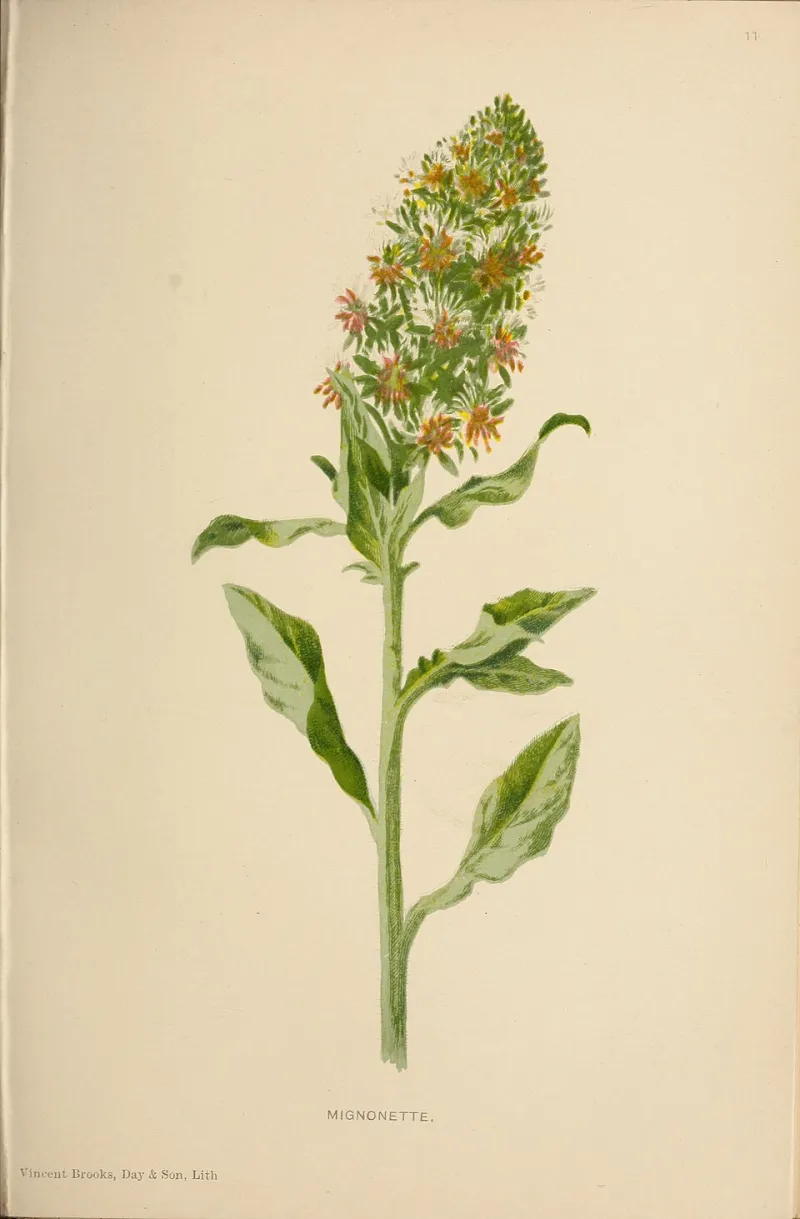
Photo: Internet Archive Book Images, No restrictions, via Wikimedia Commons
Most couples begin wedding flowers with a colour palette. Quite right, too: colour sets the tone before anyone says a word. But scent is the bit guests remember when they get home and cannot explain why the day felt so warm. A fragrance-led flower scheme is not about turning a Leicester venue into a perfume hall. It is about choosing flowers that smell like themselves, putting them where noses actually go, and making sure the whole thing still works by the time the band starts.
Start with a scent map of your venue
Scent behaves like sound: it moves, it pools, and it gets lost in the wrong room. A cool stone church in Leicestershire will hold fragrance close and release it slowly. A warm village hall will push scent out fast, especially once the heating is on and the windows are shut. A marquee is the opposite problem — lovely and airy, but a draught can carry the lot off before the ceremony. City-centre hotels and licensed venues often have air conditioning that quietly strips scent out of the air, so you need more flower power near the entrance and less near the dining tables.
Ask your venue three questions before you choose a single stem: is the heating likely to be on, are real candles allowed, and where will guests queue, sit and eat? That tells you where scent will land. Put the strongest thing at the ceremony entrance or beside the aisle, keep table arrangements lighter, and never put a heavily scented vase next to the buffet. Nobody wants their roast dinner to taste of hyacinth.
Layer scent like you would layer a playlist
A good scented scheme usually has three notes: a green or herbal base, a floral heart and a soft, resinous finish. Think rosemary, bay and mint at the bottom; garden roses, sweet peas or stocks in the middle; a little eucalyptus or scented foliage to round it off. You do not need ten scents. Two or three that get on well is plenty. Too many and the room smells like a candle shop having an argument.
The bouquet is the closest thing to a guest's face all day, so choose a scent you genuinely like at breakfast time. Heady lilies and hyacinths are gorgeous in a church, but they can be relentless in a buttonhole or on a top table. Herbs are brilliant because they smell clean rather than sweet, and they bruise nicely when hugged. For buttonholes, rosemary, lavender, bay or a single scented rose will do more than a mini bouquet of everything.
Seasonal British flowers to carry the scent
Spring is the easy win. Hyacinths, narcissi, lilac, lily of the valley and early rosemary all pull their weight, and they suit cool churches and village halls where the heating is still doing battle with the weather. Keep lily of the valley for small arrangements — it is powerful stuff — and use narcissi where guests can admire them from a distance rather than sniff them at the table.
Early summer is sweet pea season, and for a Leicester wedding in late May or June there is little better. Stocks, peonies, garden roses and lavender join in, with mint and scented pelargonium waiting in the wings. Late summer is lavender, herbs, sweet peas and the last of the roses; autumn brings dahlias, rosemary, mint, bay and scented foliage. In winter, forced hyacinths, bay, eucalyptus and evergreens do the heavy lifting. British-grown flowers are not a rule for every stem, but they are a useful starting point when you want scent that feels of the season rather than out of a bottle.
Hay fever, candle smoke and the dinner table
Hay fever is the practical bit nobody wants to mention. If you or key guests suffer, avoid lilies and other pollen-heavy flowers, ask your florist to remove stamens, and keep heavily scented arrangements out of bedrooms and dining rooms. Low-pollen choices and foliage-heavy designs are your friends. It is also worth telling your florist if the scent needs to be gentle rather than theatrical — there is a difference between a bouquet that smells beautiful in passing and one that fills a car.
Candles are the other trap. Scented candles plus scented flowers plus a warm room can be a lot. If your venue allows real candles, use unscented ones, or switch to LED for the evening. Candle smoke clings to flowers and can make even fresh stocks smell tired. And keep scent away from food. Put the fragrant stuff at the entrance, on the ceremony table and in the loos (yes, really), then let the meal smell of the meal.
Keeping the scent alive until the evening
Flowers smell strongest when they are warm and open, which is why a bouquet can be at its best halfway through the speeches and a bit weary by the first dance. Keep flowers cool before the ceremony, out of car boots and direct sun, and condition them properly in water. Buttonholes should be made on the morning, stored in a cool box or fridge, and pinned on at the last sensible moment. Herbs can be misted and refreshed; roses and chrysanthemums hold up well.
For the evening, have a small rescue kit: sharp scissors, spare pins, a couple of spare buttonholes and a clean glass. If a table arrangement is overpowering the room, move it to the bar or the entrance rather than binning it. If the bouquet is drooping, trim the stems and stand it in water during the meal. A scented wedding is not about the flowers being perfect at 3pm; it is about them still being pleasant at 10pm, when everyone is hugging and the DJ has started.